
Towns and villages
One small city, two market towns and dozens of villages, each with its own story of fen, river and chalk. Choose a town or village for its own guide to things to do, clubs and community.
The cathedral city
Ely
Ely sits on a low hill of clay that was once an island in the undrained fen – the “Isle of Ely”. St Etheldreda founded an abbey here in 673, and the Norman cathedral that replaced it still dominates the skyline for miles around, earning it the nickname “the Ship of the Fens”.
Beyond the cathedral, Ely is a compact, walkable city. Explore the medieval streets around the Market Place, Oliver Cromwell’s House by St Mary’s Church, the green expanse of Cherry Hill Park, and the Waterside, where pubs, tea rooms and moored boats line the Great Ouse.
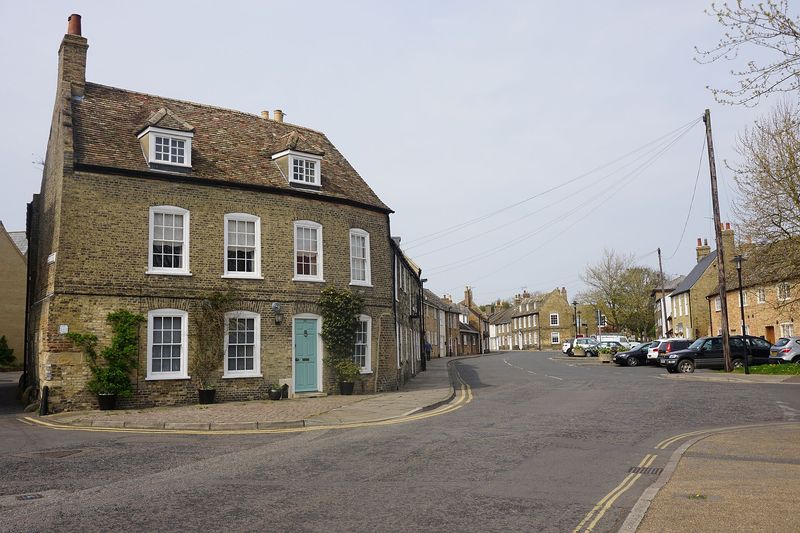

Ely at a glance
- Main sights: Ely Cathedral, the Stained Glass Museum, Oliver Cromwell’s House, Ely Museum
- Markets on Thursdays and Saturdays, with smaller markets on other days
- Riverside walks along the Great Ouse towards Littleport and Stretham
- Direct trains to Cambridge, London, Norwich and Peterborough
Market towns
-
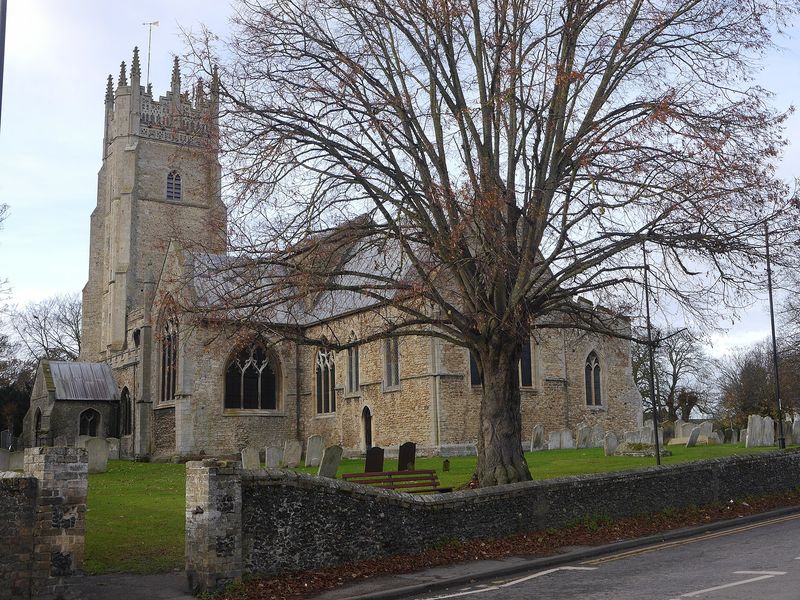
St Andrew’s Church, Soham. Photo: Chris McKenna, CC BY-SA 4.0 Soham
A historic market town between Ely and Newmarket, with roots in the 7th century when St Felix founded a monastery here. The striking tower of St Andrew’s Church overlooks the town, and Downfield Windmill is a reminder of the area’s milling past. Open commons such as Qua Fen Common are popular for walks.
The Viva Arts and Community Group runs a thriving theatre in the restored Spencer Mill.
Local favourites include the Soham Pumpkin Fair each September, the Soham Carnival & Heavy Horse Show, and Soham Museum’s talks and coffee mornings. The station, reopened in 2021, has trains to Ely in under ten minutes.
-
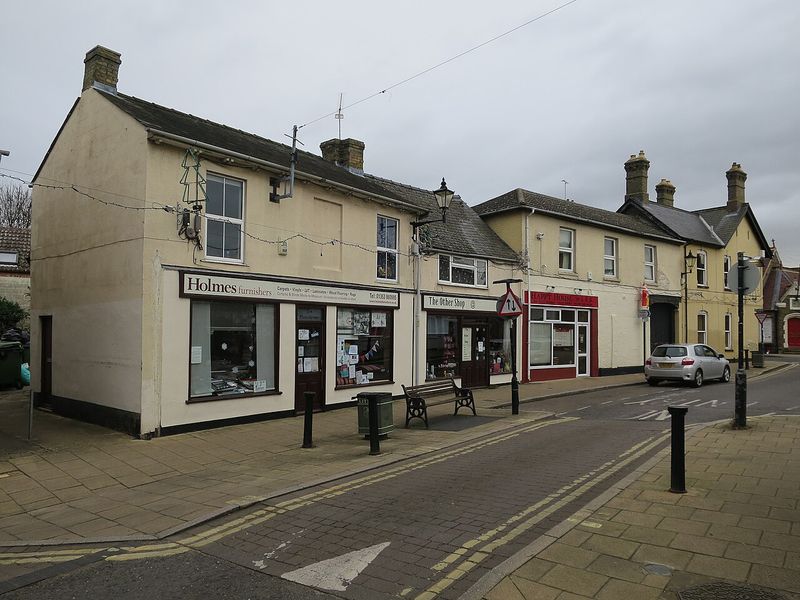
Main Street, Littleport. Photo: Hugh Venables, CC BY-SA 2.0 Littleport
A riverside town on the Great Ouse, five miles north of Ely, with its own railway station. Littleport is remembered for the 1816 Littleport and Ely riots, when labourers protested over hunger and low wages. Today it’s a good base for boating, angling and walking the riverbanks, with boat hire at nearby Brandon Creek.
The Littleport Society’s free local history archive at The Barn, just off Main Street, opens every Tuesday afternoon, and Littleport Leisure on Camel Road runs a busy timetable of sport and fitness classes.
Littleport Town Council Littleport What’s On Littleport Life


Villages
A selection of the district’s many villages, from north to south.
-
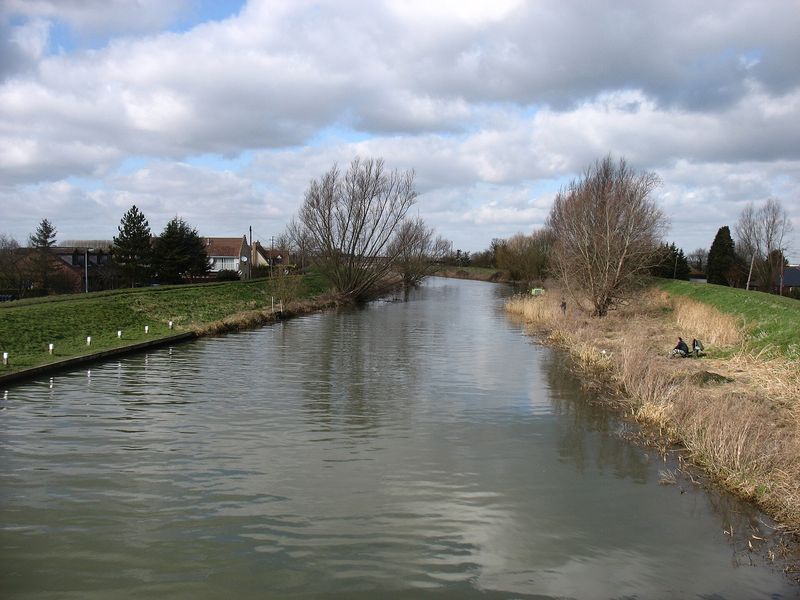
The River Lark at Prickwillow. Photo: David Purchase, CC BY-SA 2.0 Prickwillow
A fen village east of Ely, home to the Prickwillow Museum and its collection of drainage engines, telling the story of how the Fens were kept dry.
-
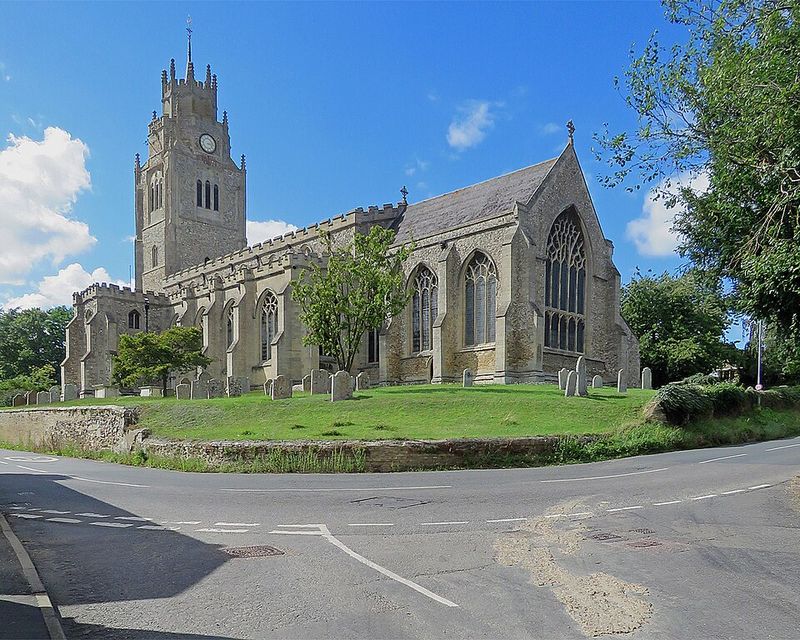
St Andrew’s Church, Sutton. Photo: John Sutton, CC BY-SA 2.0 Sutton and Haddenham
Hilltop villages on the Isle of Ely with wide views over the fen. Sutton’s church tower is crowned with an unusual octagonal top, and Haddenham has a restored tower windmill.
-
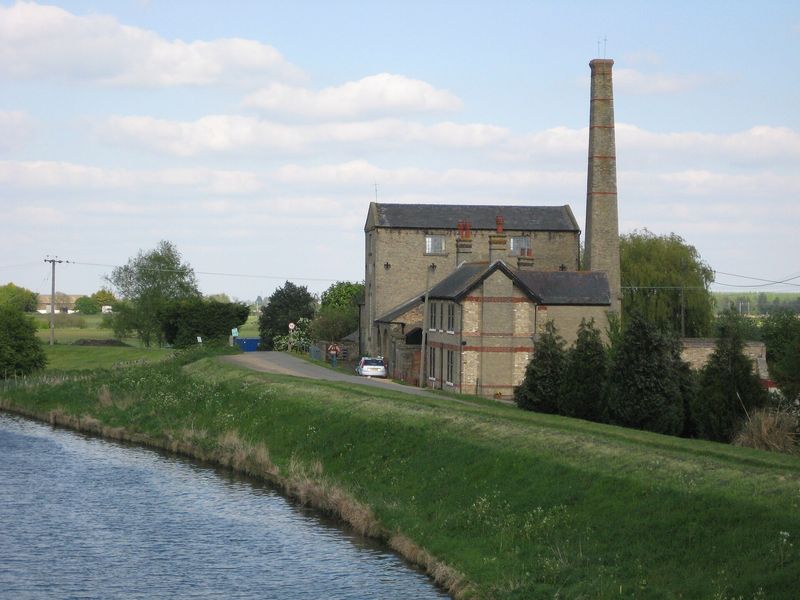
Stretham Old Engine. Photo: Lobsan, CC BY-SA 3.0 Stretham
A village on the edge of the Isle, close to the Stretham Old Engine, a steam pumping engine of 1831 that once drained the surrounding fen. The Stretham Feast has filled the village every May since 1877.
-
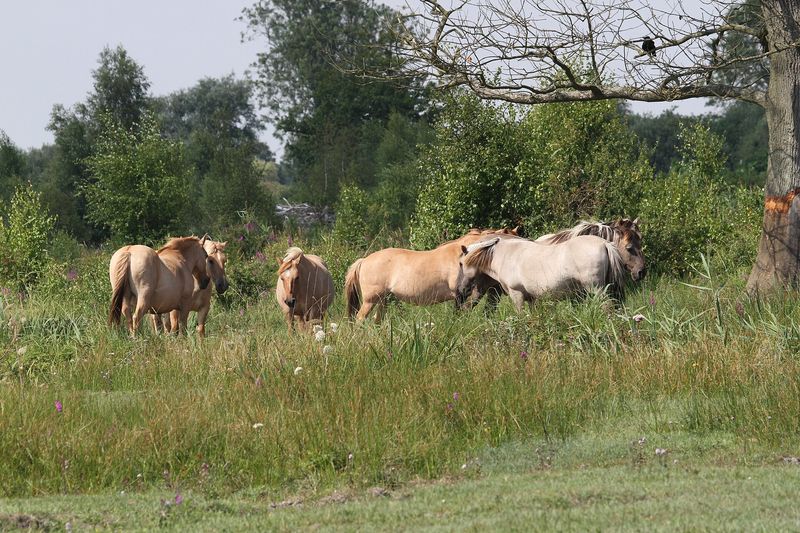
Konik ponies, Wicken Fen. Photo: Ian Andrews, CC BY-SA 2.0 Wicken
A pretty village of three ancient greens and a pond, best known for Wicken Fen, one of the most important wetland reserves in Europe. Its 1813 smock windmill still grinds flour, and village life includes the Wicken Swallowtails social group and a Flower and Produce Show that has run for over 50 years. The parish also includes the hamlets of Upware and Padney.
-
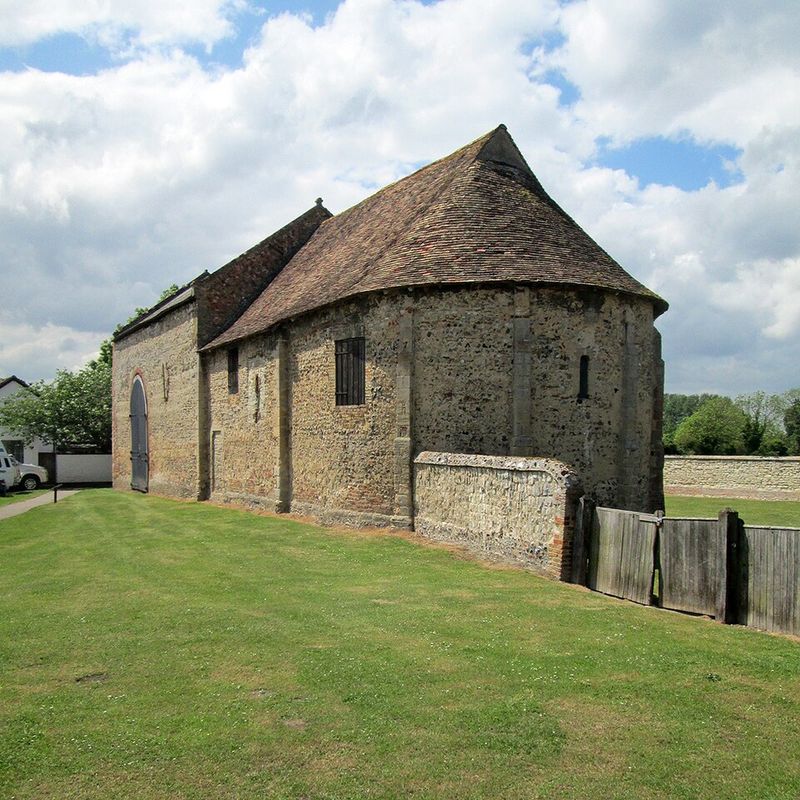
Isleham Priory Church. Photo: John Sutton, CC BY-SA 2.0 Isleham
A village near the Suffolk border with a small Norman priory church cared for by English Heritage. A famous hoard of Bronze Age metalwork was unearthed nearby in 1959.
-
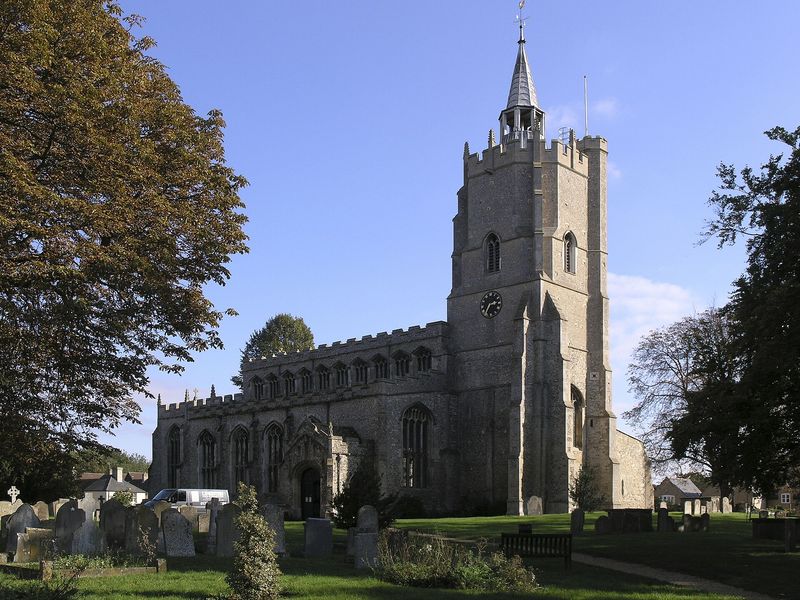
St Mary’s Church, Burwell. Photo: Senra, John McCullough, CC BY 3.0 Burwell
One of the largest villages in the district. Visit Burwell Museum and Stevens’ Mill, the fine Perpendicular church of St Mary, and the earthworks of an unfinished 12th-century castle.
The village has its own carnival, a community magazine, Clunch, and a busy calendar of clubs and events.
-
Fordham
A village between Soham and Newmarket, near the Suffolk border, with St Peter’s Church and the River Snail, a little chalk stream, running through the parish.
-
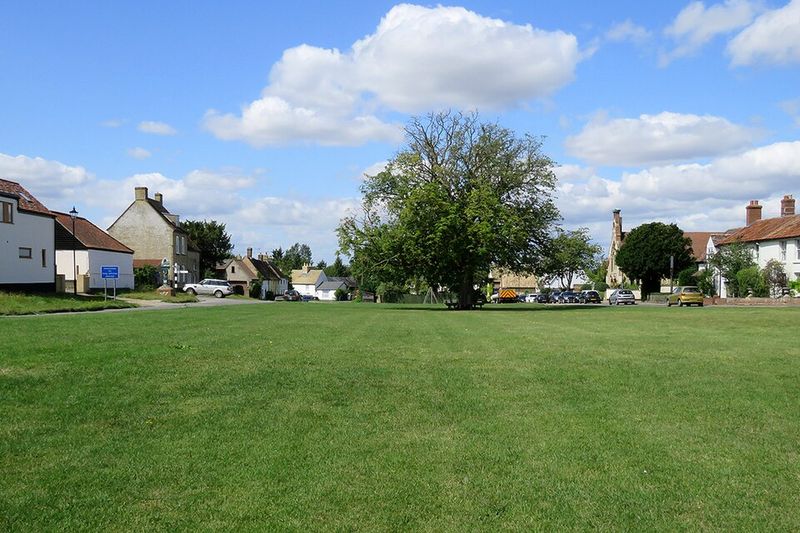
Fair Green, Reach. Photo: John Sutton, CC BY-SA 2.0 Reach
Once a busy inland port at the head of Reach Lode, this small village marks one end of the Devil’s Dyke. Reach Fair, an ancient charter fair, is still held every spring.
-
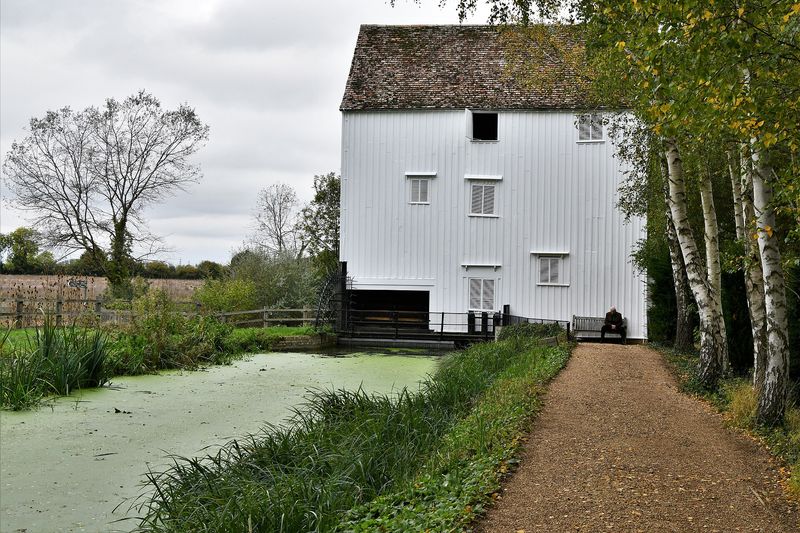
Lode Mill. Photo: Michael Garlick, CC BY-SA 2.0 Bottisham and Lode
Gentler, wooded country close to Cambridge. Lode is home to Anglesey Abbey and Lode Mill, and the Lodes Way cycle route links it with Wicken Fen.
-
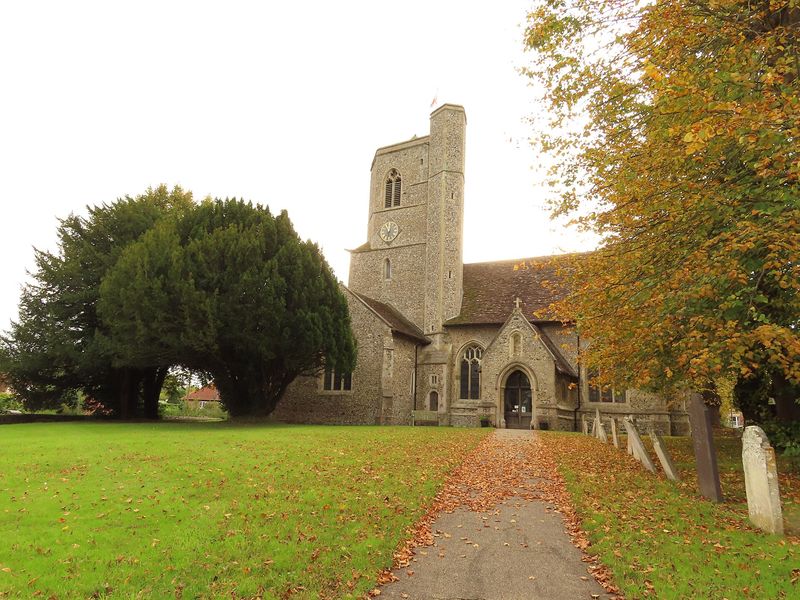
St Mary’s Church, Cheveley. Photo: Colin Park, CC BY-SA 2.0 Cheveley and the stud country
In the far south of the district, the chalk downland around Cheveley, Kirtling and Woodditton borders Newmarket, the home of British horseracing, and is dotted with stud farms.


Discover local heritage
Residents have helped record 678 buildings, structures and landscapes that make East Cambridgeshire special, from fenland cottages to war memorials and telephone boxes, across all 35 parishes. Explore them, or nominate a place, on the Cambridgeshire Local Heritage List.
Looking for your parish or town council? East Cambridgeshire District Council keeps contact details for every parish and town council in the district. See our community page for links.